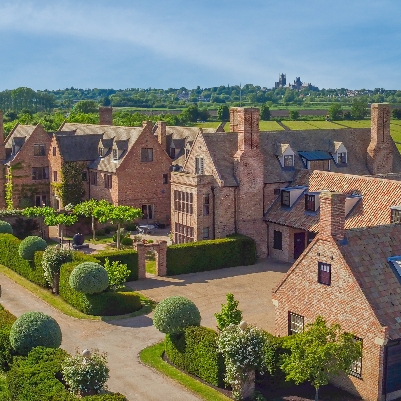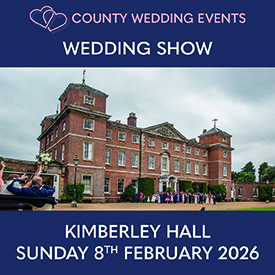





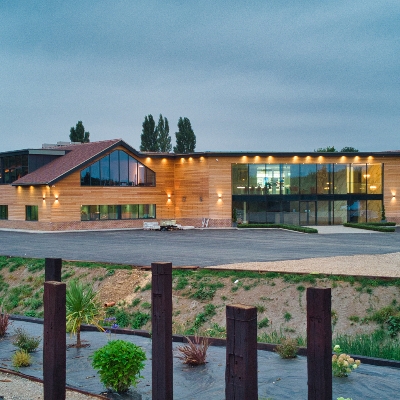
Cambridge Country Club is a stunning wedding venue in the village of Bourn
Situated within 120 acres of beautiful countryside in the heart of...

The Law Commission of England and Wales has today outlined recommendations to reform weddings law that gives couples more choice over where and how their wedding takes place. This will be music to the ears of many couples who are currently restricted by many of the outdated regulations. The main law which governs marriage is from 1836 and it seems madness that modern couples are still having to adhere to these policies that do not reflect their beliefs or blended unions.
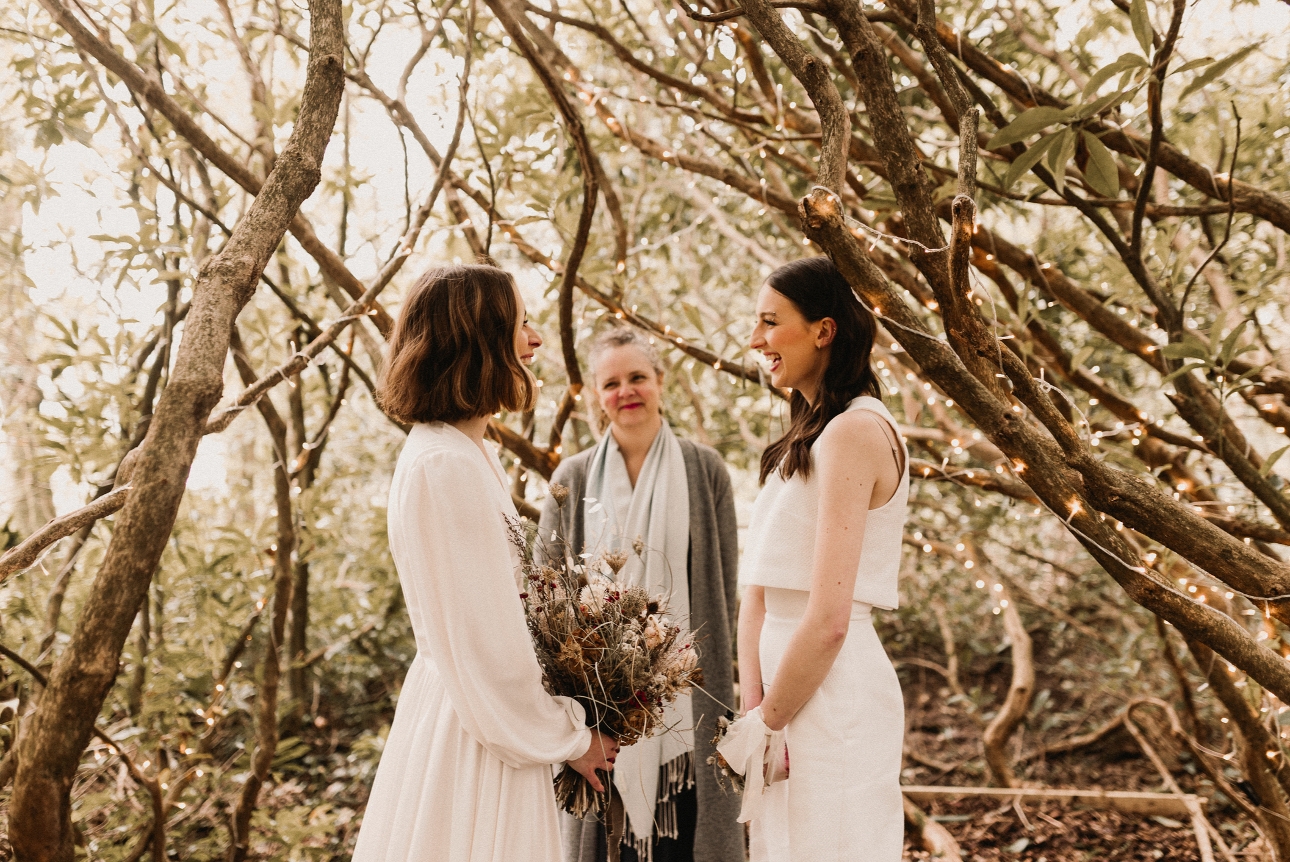
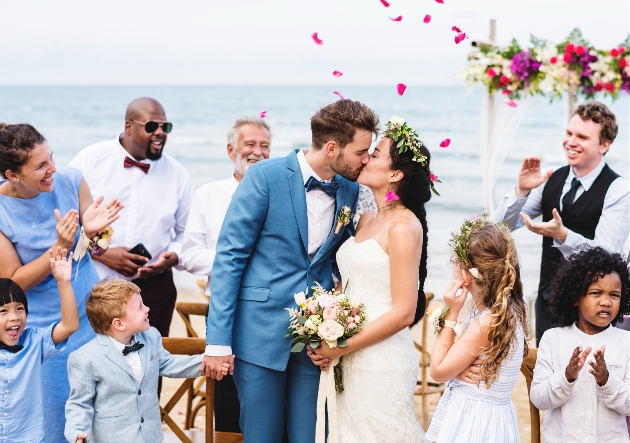
Needless regulation prevents many couples from marrying in a place that is meaningful to them, or having a ceremony reflecting their own wishes such as tying the knot on the beach, or in a woodland or on a mountain top – if that's what you really want! Many of the changes would bring England and Wales in line with laws in other places including those nearby in Scotland, Northern Ireland, Ireland, and Jersey, and further afield such as in New Zealand, Canada and Australia.
|
The Commission recommends a new system that would focus regulation on the marriage officiant responsible for the ceremony, rather than on the building where the wedding can take place.This reform would open up a wide range of locations for couples to get married. Permitted venues would include gardens, beaches, forests, parks, village halls and cruise ships.
This follows increasing public demand for new types of simpler, more affordable and personal options, particularly as household finances come under pressure and the "Covid backlog" of weddings persists.
The changes would also allow for more personalised content, such as the vows, rituals and songs chosen. The recommendations would ensure fairer treatment for all beliefs, removing the anomalies of the current system, where different religions are bound by a multitude of different rules. This includes creating a path to legalising non-religious belief ceremonies, such as Humanist weddings, in England and Wales, if permitted by Government.
The reforms would also allow the option for civil weddings to be conducted by independent officiants, as well as registrars, if accepted by Government – further expanding choice and availability.
While offering greater freedoms to couples, the reforms are designed to preserve the dignity of weddings, to retain important safeguards, and to protect the longstanding practices and rules of religious groups.
Read the full report and proposal here!